Home › Starter Kits › AirBar X
Air Bar AirBar X Pod Capacity and Refilling Insights 2026
Published 2026 · VapeWholesaleHub trade desk
Pod capacity and refill behaviour directly affect how often a AirBar X customer comes back to the shop.
Every serious sourcing conversation about the AirBar X eventually arrives at pod capacity and refilling, usually because it is where cost and risk meet.
A written internal standard for pod capacity and refilling makes onboarding new account managers far quicker and reduces avoidable errors.
Why pod capacity and refilling matters on the AirBar X
Larger reservoirs reduce refill frequency but can change flavour consistency near the end of a fill.
Documentation is not paperwork for its own sake; on pod capacity and refilling it is the difference between a clean clearance and a delayed one.
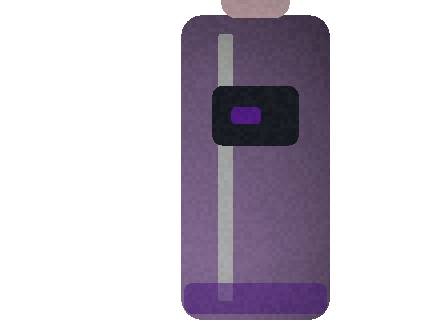
Clear visibility windows help users judge remaining liquid without opening the pod.
Reference specification
| Item | Value |
|---|---|
| Model | AirBar X |
| Brand | Air Bar |
| Category | Starter Kits |
| Battery | 1000 mAh |
| Output range | 5-80 W |
| Capacity | 5.0 ml |
| Charging | Magnetic dock |
| Coil options | 0.4 / 0.6 ohm |
| Carton quantity | 200 units |
Sealed pods simplify compliance in markets that restrict refillable containers.
Practical notes for buyers
The most common mistake is optimising for the first order instead of the fourth, which is where AirBar X economics actually settle.
Consistency across batches matters more than peak performance for AirBar X, and pod capacity and refilling is where inconsistency first appears.
Checklist
- Verify that artwork matches the approved compliance template.
- Check carton quantities against the commercial invoice line by line.
- Record the arrival condition with photographs on the day of delivery.
- Request batch photographs and a packing list prior to shipment.
- Agree in advance who pays for return freight on a defect claim.
- Retain one sealed sample carton from every batch for reference.
Commercial terms
Currency movement over a ninety day cycle can outweigh the difference between two competing quotations.
Lead times are a function of component availability as much as factory capacity, so buffers should reflect both.
| Volume tier | Indicative unit level | Lead time |
|---|---|---|
| Carton (195 units) | Tier 1 | 7-12 days |
| Pallet (1298 units) | Tier 2 | 21-30 days |
| Container (5509 units) | Tier 3 | 30-45 days |
Frequently asked questions
Should a distributor stock refillable or sealed pods for AirBar X?
Stock both where regulation allows; sealed pods move faster in convenience channels, refillable in specialist shops.
Do you support long term supply agreements?
Yes, rolling agreements with defined review points work better for both sides than rigid annual commitments.
Can packaging be adjusted for our market?
Artwork localisation is straightforward; structural changes need larger volumes and a longer lead time.
How quickly can a repeat order be produced?
For established configurations production typically runs two to four weeks, with transit on top depending on the chosen method.
Final word
None of this is complicated, but it does need to be written down and reviewed on a schedule.
Trade enquiry
Quotations, samples and artwork files are available on request. Please state model, quantity per SKU, destination and target delivery window.
Related reading
- How to Source Air Bar Nex Mini: Model Comparison
- How to Source Air Bar Vibe Max: Airflow Tuning
- Air Bar Click 5 Retail Margin Planning for Bulk Buyers
- Air Bar Stark 3 Storage and Shelf Life for Bulk Buyers
- Flavor Pairing Ideas Guide for Air Bar Diamond Pro
- Air Bar AirBar Air Distributor Agreement Terms for Bulk Buyers